

How to Estimate Moving Costs
- 30. Sep, 2026
How to Set Up Internet
- 30. Sep, 2026
Rozrywka kasynowa online z ivy-bet.com.pl
- 30. Sep, 2026




I previously assumed every slot spun the same way—press the button, watch the reels dance, and hope for the best kingdom-casino.ch. Then I discovered volatility, and all at once the whole gaming area seemed like a puzzle I could solve. Volatility is not related to if a game is favorable or unfavorable; it is about how the wins arrive. Some slots sprinkle small treasures into your balance regularly, maintaining your funds with cheerful little bursts. Others stay quiet for long stretches, then erupt with a big win that turns the delay into pure excitement. In the middle, there is a whole spectrum of experiences ready to be discovered. At Casino Kingdom, I have realized that volatility defines everything: the pace, the danger, the emotional highs and lows. If you aim to decide more wisely and enjoy every spin with your eyes wide open, grasping volatility is the primary big move. It turns random reels into a strategy of anticipation, patience, and reward.
Volatility must directly determine how you handle your bankroll. When I play a low volatility slot, I typically bet lower amounts and plan for a longer session, because the game is made to keep me in the action for a while. With high volatility, I change that approach: I designate a smaller portion of my bankroll, acknowledge that I might lose it quickly, and bet marginally higher per spin as the eventual payout—if it comes—will be large enough to justify the risk. Medium volatility provides a balanced approach: moderate bets, a good session length, and an attention on both steady wins and bonus potential. No matter which volatility level I choose, I always define clear limits before the first spin. I decide how much I am prepared to lose, how much I would be satisfied to win, and how long I plan to play. This discipline transforms volatility from a dangerous unknown into a workable feature. A high volatility slot can still eliminate a careless bankroll, but a player who understands its nature will never be surprised.
To grasp volatility, you need to comprehend two fundamental ideas: hit frequency and pay size. Hit frequency indicates how often a slot delivers any winning spin, no matter amount. Pay size indicates how big those wins tend to be. Low volatility slots generally have a elevated hit frequency but a lower average pay size. High volatility slots turn that formula around—hit frequency is low, but when a win lands, it can be enormous. The genius of slot design lies in how providers calibrate these two elements. A game can have a hit frequency of 35% but award mostly small payouts, while another might hit only 15% of the time but offer payouts large enough to eliminate an entire afternoon of losses in one spin. Neither design is flawed; they are simply crafted for different moods and strategies. When I consider a slot now, I immediately ask myself: how often does this game intend to pay me, and how big is the thank-you when it finally does?
This equation clicked for me one evening when I transitioned from a bright low volatility slot to a brooding high volatility one on the same bankroll. The first game sustained me with constant little wins, and my balance hardly changed for half an hour. The second game consumed my balance in ten minutes, then suddenly produced a bonus round that multiplied my stake by two hundred. That experience showed me that volatility is not just an abstract number—it is the very pulse of the game. Understanding whether a slot is built for quick hits or big swings helps you set realistic expectations before you ever press spin. It also alters how you react to losing streaks. When I know a high volatility slot is designed to be quiet, I do not worry and chase losses. Instead, I hold, breathe, and have faith in the math enough to know that the stillness is part of the design. That psychological adjustment has protected my bankroll more times than I can count.

Most modern slots lack a volatility badge, so how do you figure out a game’s position on the spectrum prior to risking your money? I have picked up how to read the clues embedded in the paytable and the game’s design. First, look at the spread among the smallest and largest symbol payouts. If the difference is huge—tiny rewards for regular symbols and massive jackpots for rare combinations—you are probably facing high volatility. If the payouts are grouped tightly and many symbols give similar modest amounts, the game probably leans low volatility. Next, examine the maximum win potential. A slot boasting a max win of 50,000 times your stake will very likely be high volatility, because the game must keep those huge rewards for very rare events. Thirdly, consider the bonus features. Games with frequent free spins or random mini-features often smooth out the ride and land in low or medium territory. Games where bonuses seldom activate but carry enormous multipliers are typical high volatility beasts. These simple observations serve as my early warning system, guiding me to select the right game before I even hear the reels sing.
Your ideal volatility level has more connection with your temperament than with any trick or strategy. Do you be the sort of player who wants a long, relaxing session with constant small rewards and reduced stress? Then low volatility slots will feel like home. Be you someone who craves the big moment, the heart-stopping bonus round, the possibility to turn a modest stake into a small fortune? High volatility slots are inviting you. I have played alongside both types at Casino Kingdom, and none is more correct—they simply seek different things from their time at the reels. The wonder of modern slot libraries is that you never have to settle for just one. Many players, myself among them, switch between volatility levels according to mood, bankroll, and even time of day. A quiet morning with coffee might suit a gentle low volatility game, while a late-night session with energy to burn might require a high volatility monster. Knowing your own emotional response to wins and losses is the first step toward picking a game that enhances your enjoyment rather than working against it.
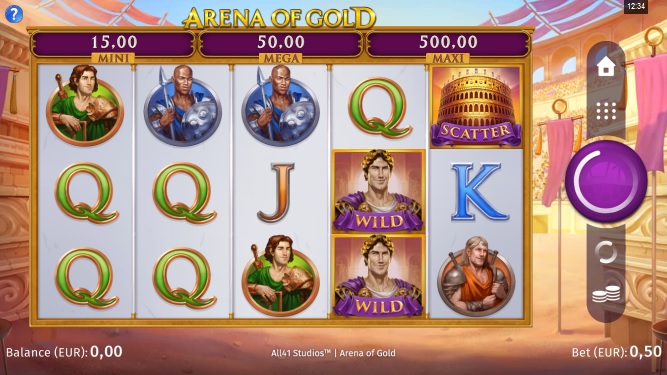
Many players mix up volatility with return to player percentage, but they represent the same thing. RTP, or return to player, is a statistical average of how much a slot returns to players over millions of spins. Volatility indicates how that return is allocated along the way. Two distinct games can both have an RTP of 96%, yet one might offer steady small wins while the other starves you for an hour and then showers you with a giant payout. The RTP tells you the long-term average; volatility explains you what the ride feels like. I view RTP as the speed limit on a highway and volatility as the number of curves, hills, and sudden stops along the road. You can get to the same destination, but one route is a calm straight line and the other is a rollercoaster. When I choose a slot at Casino Kingdom, I consider both numbers together. A high RTP with medium volatility is often my sweet spot, but there are days when I desire the wild low RTP, high volatility experience just for the adrenaline. Knowing the difference lets me make that choice deliberately instead of ending up in it blindfolded.
Variance is the unspoken dialect of each slot machine, and as you begin to understand it, the entire experience shifts. Gone are you a passive passenger waiting on sheer chance; you evolve into an active explorer choosing the pace, risk, and prize that fit your style. I have passed numerous sessions at Casino Kingdom switching among low, balanced, and high volatility games, and each of them has taught me something different about patience, thrill, and the joy of the turn. Low volatility shows me that small wins are still wins. High volatility instructs me that patience can explode into pure magic. Balanced variance gives me the best of both worlds when I cannot decide. The next time you enter the slots page, don’t just select the initial flashy icon you spot. Hunt for the clues, review the paytable, think about the feeling you seek, and decide with care. No matter if you long for reliable ease or explosive danger, there is a volatility level ready for you. So take the leap, reel with focus, and permit risk to serve as your trusted guide as opposed to a puzzling enigma.
Volatility, often referred to as variance, explains how a slot spreads its payouts over time. Picture two coin jars. The first jar offers you a regular trickle of coins every few seconds, never a huge waterfall but never a drought either. That is low volatility. The second jar sits there stubbornly, declining to spill a single coin for what appears like an eternity, then suddenly tips over and drenches the table with gold. That is high volatility. Both jars can hold the same total amount of coins by the end of the day, but the journey to that total could not be more distinct. This is why two slots with the same return to player percentage, or RTP, can seem like entirely separate animals. One whispers reassurance with constant small wins. The other screams excitement with long silences and massive bursts. No single option is objectively better. They simply speak different emotional languages. Once I realized this, I stopped chasing the myth of the “hot” slot and started choosing games based on how I wanted to feel during a session.
Low volatility slots are the reliable staple of the casino world. They provide frequent wins, often small but steady enough to keep your balance moving and your mood positive. When I play a low volatility game, I rarely face those awful losing streaks where the reels seem to ignore I exist. Instead, I receive a nice flow: a modest win here, a tiny bonus there, a gentle nudge upward. This style is perfect for players who want to extend a modest bankroll into a long, relaxed session without agonizing over every spin. The trade-off is straightforward: you will rarely see a massive jackpot. The max wins are usually restricted at a few hundred times your stake, and the jackpot fireworks are uncommon. But for me, low volatility slots are ideal for relaxing after a busy day, savoring the animations, and knowing like every spin gives me something back. They are friendly, patient, and hard to dislike.
High-variance slots offer the thunderous chases of the slot world. They challenge your tolerance with extended, grueling periods where wins appear scarce. Your funds depletes, your chest thumps, and you find yourself questioning every life choice that placed you in that spot. Then, unexpectedly, the reels line up, the bonus triggers, and a massive payout erupts across the screen. It feels like lightning tearing through a stormy sky. The reward can be five thousand times, ten thousand, or even fifty thousand times your bet. That one instant of triumph is precisely why players pursue these beasts. But make no mistake: high volatility necessitates deep pockets and iron will. The fluctuations are severe, and there is no guarantee the thunder will arrive during your session. I have engaged with high volatility slots often to know that the thrill is true, but so is the risk. This is not a style for the weak-willed; it is for those who appreciate the hunt more than the certainty.
Medium volatility slots inhabit the gratifying middle zone, offering a mix of regular payouts and infrequent big moments. They are similar to a well-tuned sports car: not too erratic, not too dull, but capable of catching off guard you when you least anticipate it. When I pick a medium volatility game, I realize I will get sufficient frequent wins to stay engaged without watching my balance evaporate in minutes. At the same time, there is constantly that spark of hope that a larger bonus round could trigger and give me a win valued at twenty or thirty times my stake. These slots are ideal for players who want the best of both worlds without committing to either extreme. They allow you to appreciate longer sessions than a high volatility monster would permit, yet they still supply the intermittent rush absent from low volatility siblings. For me, medium volatility is commonly the most sensible default choice when I am sampling a new provider or just desire a balanced evening of fun at Casino Kingdom.

Copyright © 2025 Tirupati Education Consultant. All Rights Reserved.